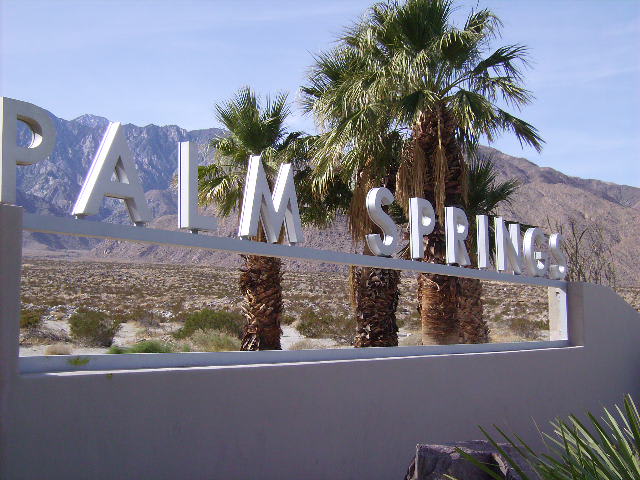

A Palm Springs condo’s monthly HOA fee can be as important to your budget as the purchase price. Before making an offer, ask what the fee covers, how financially prepared the association is, and whether upcoming work could change your costs. A careful review now can make it easier to compare communities and move forward with clear expectations.
Why the HOA Fee Deserves a Closer Look
Condominiums offer a compelling way to own in Palm Springs, from mid-century communities with mountain views to newer developments with shared outdoor amenities. But each community has its own operating budget, reserve plan, rules, and maintenance responsibilities. The number shown as a monthly HOA fee is only the starting point; the real value comes from understanding what sits behind it.

In one building, dues may cover water, trash collection, exterior insurance, landscaping, pool service, and roof maintenance. In another, the fee may cover a more limited list, leaving owners to arrange and pay for more services individually. Neither structure is automatically better. What matters is whether the fee, services, property condition, and your expected monthly ownership costs make sense together.
Palm Springs also has distinctive variables worth examining. Some condominium communities are on fee-simple land, while others are on leased land, where a separate land lease payment or different lease structure may apply. A buyer should review the purchase contract, listing details, association documents, and applicable lease information carefully rather than assuming all recurring costs are included in one line item.
The most useful comparison is not “Which HOA is lowest?” but “What does this total monthly cost provide, and how well is the property being maintained?”
Question 1: Exactly What Does the Monthly Fee Cover?
Ask for a current HOA budget or a clear written breakdown of included services. Common line items can include common-area electricity, water, sewer, trash, landscape care, exterior painting, roof repairs, building insurance, pest control, pools, spas, gates, and management. In some communities, cable, internet, or certain utility charges may also be included. Confirm the details for the specific unit and association because coverage can vary significantly.
Then identify what remains outside the dues. Homeowners insurance for the unit’s interior and personal belongings, electricity, optional upgrades, parking-related charges, and special assessments may be separate. If a condo has individual meters for utilities, monthly costs can differ from a building where certain services are centrally billed. A complete budget should include every recurring expense, not just principal, interest, taxes, and HOA dues.
Question 2: Has the Fee Changed Recently?
Request the current fee, the prior year’s fee, and information about approved or proposed increases. Associations regularly adjust dues to account for insurance premiums, utilities, vendor contracts, reserve funding, and maintenance needs. An increase is not necessarily a warning sign; in many cases, it can reflect responsible planning. The important question is whether the change is supported by a transparent budget and a realistic plan for the property.
Review meeting minutes when available. They can offer context about discussions involving repairs, landscaping, insurance renewals, pool equipment, roofs, or other shared systems. Minutes are not a substitute for professional advice, but they can help buyers understand the topics that are actively shaping the association’s finances.
Questions 3 and 4: Are Reserves Funded, and Are Major Projects Ahead?
Reserve funds are money set aside for predictable long-term repairs and replacements. For a condominium association, that may include roofing, paving, exterior surfaces, plumbing infrastructure, pool equipment, fencing, irrigation, or building components. Ask for the most recent reserve study, if one is available, along with the association’s current reserve balance and planned contribution schedule.
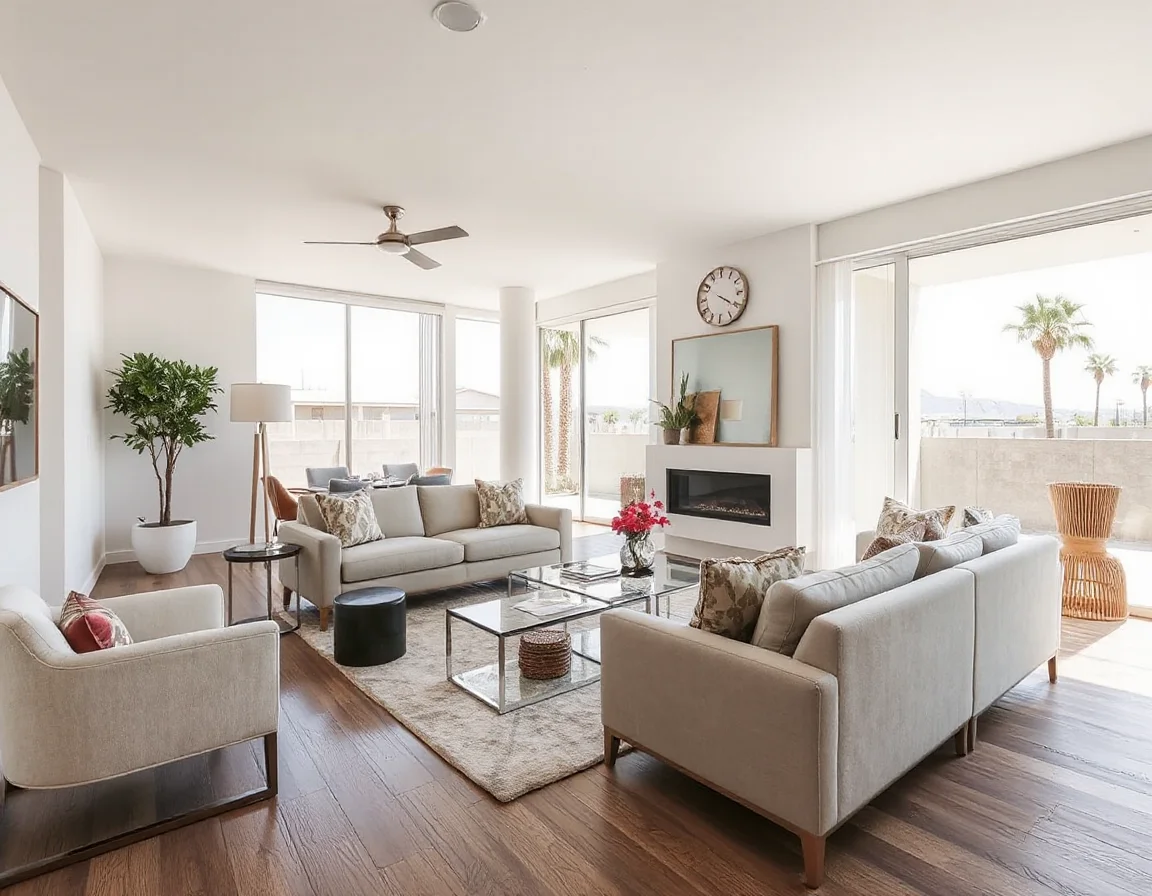
A reserve study does not guarantee that future costs will stay unchanged, yet it is a useful planning document. It estimates the condition and remaining life of major common components, then projects funding needs over time. A well-maintained community can still face an expensive project, especially after changing construction costs or an unexpected repair. The documents help you evaluate whether the association has been preparing for those obligations.
Next, ask directly about approved, pending, or discussed special assessments. A special assessment is a charge outside regular dues, generally used when the association needs funds beyond its operating budget and reserves. Find out the amount, purpose, payment timing, and whether the obligation will transfer with the unit under the terms of a sale. Your agent, lender, escrow professional, and appropriate legal or financial advisors can help you understand how those details affect your transaction.
A low monthly fee paired with underfunded reserves or a large pending project may create a very different ownership picture than the headline number suggests.
Questions 5 and 6: What Rules Affect How You Plan to Use the Home?
Every association has governing documents, often including CC&Rs, bylaws, rules, and architectural guidelines. Read them before removing contingencies whenever possible. They may address pet policies, parking, noise, use of common areas, exterior changes, move-in procedures, insurance requirements, and rental rules. The goal is not simply to find restrictions; it is to determine whether the community’s operating expectations align with how you plan to enjoy and care for the property.
Rental provisions deserve special attention for anyone considering future flexibility. Rules may set minimum lease terms, registration procedures, occupancy limits consistent with applicable law, or limits on the number of units that may be rented at one time. Local regulations can also affect short-term rental activity in Palm Springs. Confirm the current association rules and city requirements rather than relying on an older listing description or informal comments.
If the property is part of a larger planned development, ask whether there is more than one association or monthly assessment. A unit may have a condominium HOA plus a master association, recreation assessment, land lease payment, or other regular obligation. Seeing the full list early makes it easier to compare homes on a consistent basis.
Question 7: Is the Association Financially and Operationally Stable?
Ask whether the association is involved in significant litigation, has substantial delinquent dues, carries adequate insurance, or faces issues that could affect financing. Lenders may review condo-project eligibility differently depending on the loan type and the association’s financial and insurance profile. Starting this review early gives buyers more time to gather documents, discuss lending options, and avoid late surprises.
It is also reasonable to ask how the association is managed. Some communities work with professional management companies; others rely more heavily on volunteer boards. Look for practical signs of organization: timely document delivery, clear budgets, maintained common areas, regular communication, and a defined process for maintenance requests. These observations do not predict every future decision, but they provide helpful context alongside the financial records.
Bring the Numbers Together Before You Offer
A thoughtful Palm Springs condo purchase starts with a complete monthly and long-term cost picture. Add the anticipated mortgage payment, property taxes, HOA dues, insurance, utilities not included in dues, any lease-related payments, and a cushion for routine interior maintenance. Then review the association documents with the same care you give the inspection report and seller disclosures.
Condo fees can support valuable shared services, preserve common spaces, and fund long-term maintenance. They can also reveal questions that deserve further investigation. Working through these seven questions helps you compare properties based on more than finishes or views, so you can focus on a home and community structure that fit your goals, budget, and timeline.