A Palm Desert second home can offer a useful place to stay, a long-term real estate asset, and potential rental income—but only when the full monthly carrying cost is clear before an offer is written. This checklist helps buyers compare likely revenue against expenses, reserve needs, ownership rules, and the practical details that can shape the bottom line.
Start With the Real Reason for Buying
Second-home decisions are easier when the goal is specific. Some buyers want a Palm Desert base for seasonal visits, some plan to use the property occasionally while offering approved short-term or longer-term rentals at other times, and others are focused primarily on appreciation and future flexibility. Each path calls for a different cash-flow model. A home that feels right for personal use may have higher furnishings, pool, HOA, or maintenance costs than a simpler investment-focused property.
Begin by writing down three numbers: how many nights you expect to use the home, how much rental activity you would be comfortable managing, and the maximum monthly out-of-pocket amount you can carry without depending on rental income. That last number matters. Rental revenue can vary with seasonality, local competition, booking lead times, maintenance closures, and changing association or municipal rules.
Next, separate a personal-use budget from an income-property estimate. If the property will be used heavily by its owner, fewer dates may be available during periods when visitor demand is strongest. That is not a problem; it simply means the purchase should be evaluated first as a home and then as an asset with supplemental income potential. A conservative model is generally more useful than one built around a fully booked calendar.
The most durable second-home budget assumes some vacant weeks, at least one unexpected repair, and a reserve contribution every month—even when the property is producing income.
Build a Monthly Carrying-Cost Worksheet
The purchase price and mortgage payment are only the first layer of ownership. Ask for estimates that reflect the specific property, not a neighborhood-wide average. Two homes with similar list prices can have meaningfully different monthly costs because of HOA dues, utility use, pool equipment, insurance history, lease arrangements, or the condition of major systems.
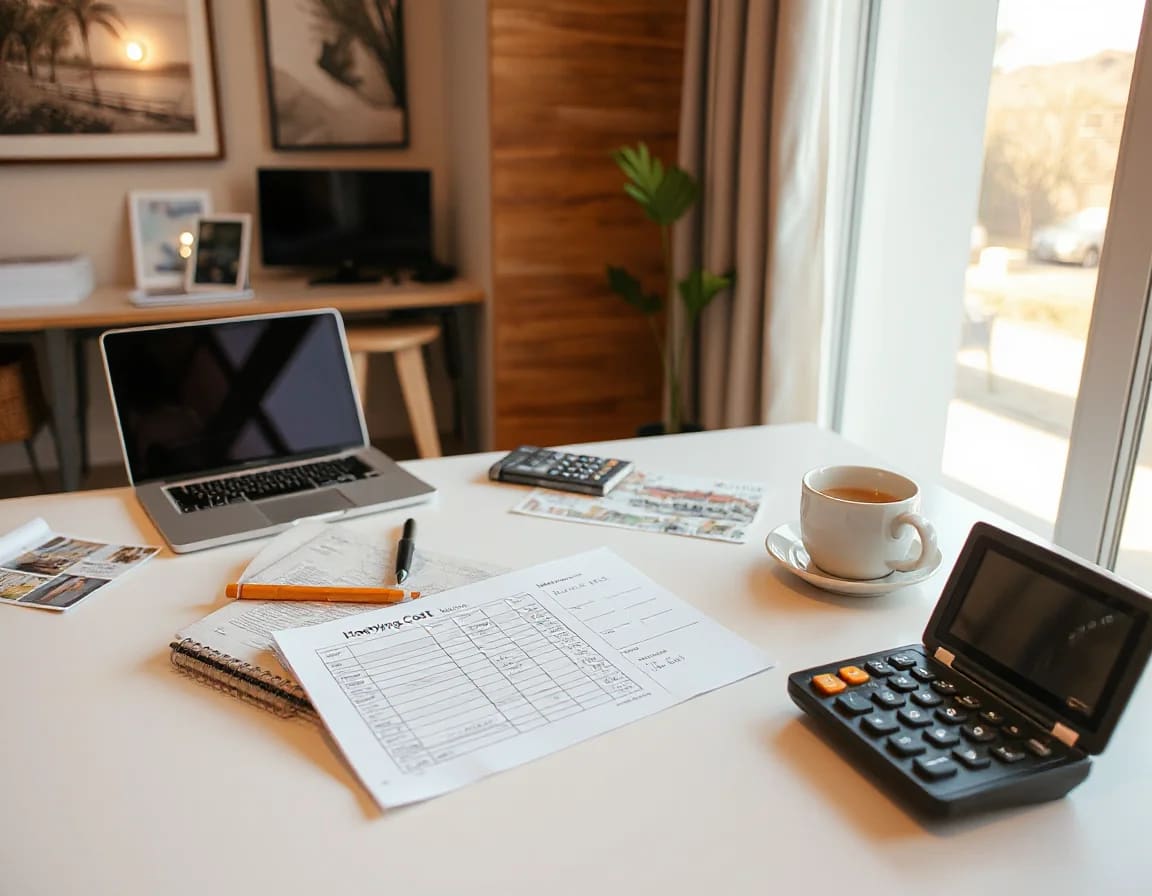
Use the following checklist to create a realistic baseline:
- Mortgage principal and interest: Include the loan program, down payment, rate, and whether the payment could change over time.
- Property taxes: Review the estimated post-purchase tax amount, rather than relying only on the seller’s current bill.
- HOA fees: Confirm monthly or quarterly dues, what they cover, and whether special assessments are pending or under discussion.
- Insurance: Obtain a quote early and check deductibles, exclusions, and any coverage requirements tied to the property type.
- Utilities: Electricity can be a major variable in desert climates, particularly when cooling is needed. Include water, gas, internet, waste service, and any landscaping or irrigation expense not covered by an association.
- Maintenance: Budget for HVAC servicing, roof and exterior care, pest service, pool care where applicable, cleaning, and periodic replacement of appliances or furnishings.
- Property management: If someone else will coordinate guests, inspections, cleaning, or repairs, include management and turnover fees.
- Reserves: Set aside funds for repairs and capital items rather than treating those costs as surprises.
For a cash purchase, the absence of a mortgage payment does not eliminate carrying costs. It changes the calculation: compare the property’s operating expenses and anticipated income against the capital committed to the purchase. Buyers may also want to discuss tax implications, depreciation, and rental reporting with a qualified tax professional before relying on projected after-tax returns.
Test Rental Income Against More Than One Scenario
Projected rent should be tested at several occupancy levels, not just a best-case rate. Start with a conservative scenario that includes lower occupancy, then create an expected scenario and a stronger scenario. For each one, subtract management, cleaning, booking-platform costs where applicable, utilities, supplies, maintenance, and reserves. The remaining figure is more meaningful than gross revenue alone.

It is also wise to identify the rental format before shopping. A property intended for a 30-day-or-longer stay may require a different furnishing plan and marketing approach than a property used for shorter visits. Condo and community documents can set minimum lease terms, cap the number of rentals, require tenant registration, or prohibit certain rental activity altogether. Those rules should be reviewed before contingency deadlines expire, along with applicable city, county, and state requirements.
Look beyond the home’s bedroom count when considering rental appeal. Features such as an efficient layout, outdoor shade, updated cooling systems, dedicated parking, laundry, storage, and a well-maintained setting can influence both operating ease and guest experience. At the same time, higher-amenity properties can carry higher fees and maintenance obligations. The right comparison is not “most amenities”; it is whether the features support your intended use and budget.
Rental data is most useful when it is property-specific. Compare homes with similar location, size, condition, permitted use, parking, pool access, and rental restrictions. A broad area average may not account for the details that separate one listing from another.
Review Documents and Physical Condition Early
Due diligence is where a promising spreadsheet meets the real property. For homes in an HOA, review the governing documents, financial statements, meeting minutes, reserve information, insurance coverage, rental policies, transfer fees, and any notices about upcoming work. For properties on leased land, confirm the lease terms, remaining duration, payment structure, transfer provisions, and financing implications. These details can affect both monthly cost and resale options.
Inspections should focus on the systems that matter in a desert environment. Ask about the age and servicing of HVAC equipment, insulation, windows, pool equipment, irrigation, roofing, drainage, electrical panels, and exterior finishes. A lower purchase price can lose its advantage quickly if immediate replacements are needed. Obtain repair estimates when possible and decide whether the cost belongs in negotiations, post-closing reserves, or the decision to continue looking.
Before removing contingencies, confirm that HOA and rental rules match the plan you used in your financial model. A strong income estimate is not useful if the property’s governing documents do not permit that use.
Plan for Ownership When You Are Away
A second home needs an operating plan for the periods between visits. Decide who will check the property, respond to leaks or HVAC alerts, coordinate vendors, collect mail, prepare the home before arrival, and inspect it after severe weather. A local property manager, trusted service provider, or documented maintenance schedule can reduce uncertainty and help protect the home’s condition.
Keep a separate account or ledger for ownership expenses, improvements, rental income, and reserves. This creates a clearer picture of performance over time and makes it easier to distinguish recurring operating costs from one-time upgrades. It also helps buyers avoid the common mistake of treating furnishing, setup, and deferred maintenance as minor expenses.
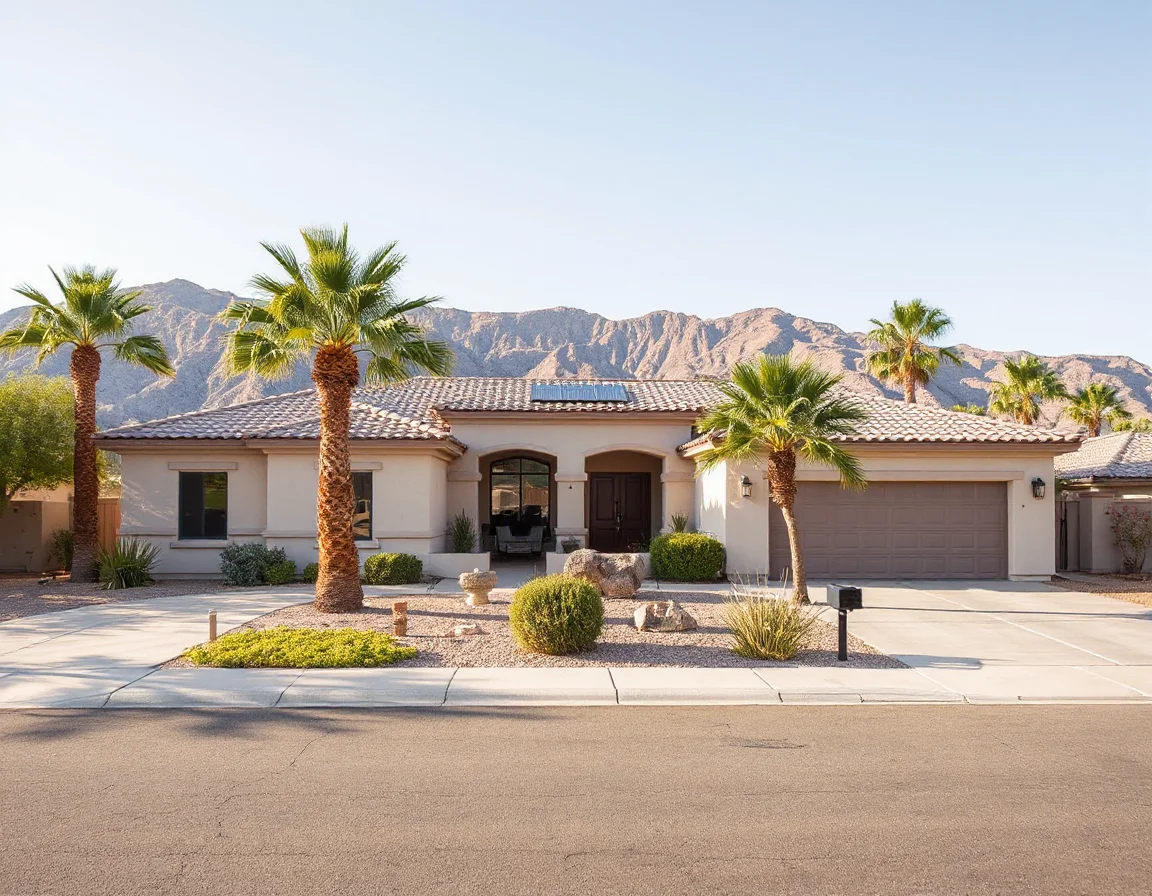
Finally, give yourself room to choose rather than rush. Palm Desert offers a range of property types, from lock-and-leave condos to detached homes with outdoor amenities, and each has a distinct cost profile. A thoughtful review of carrying costs, rental rules, condition, and reserve needs can help turn a second-home purchase into a decision that supports both present use and long-term plans.