
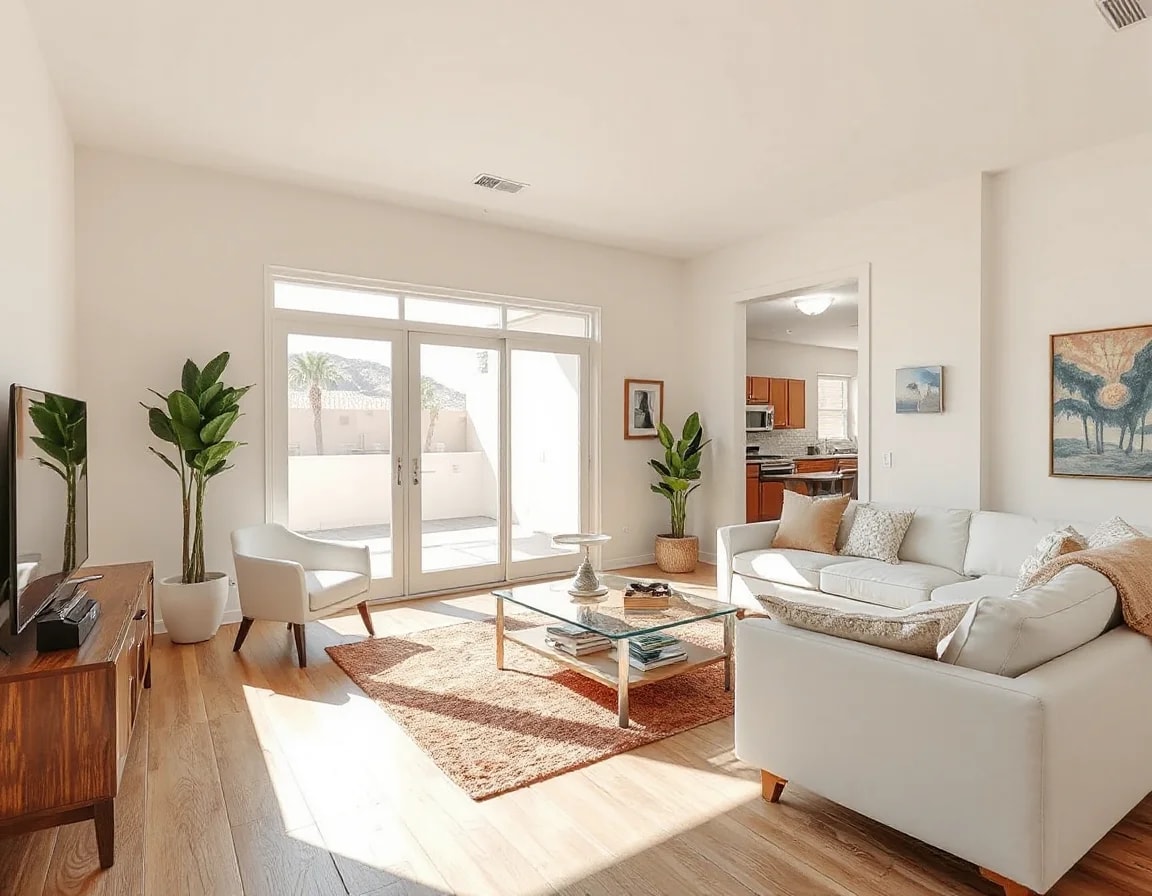
Selling a Palm Springs condo involves more than preparing the interior and choosing a list price. HOA documents, monthly assessments, lease terms, seasonal demand, and the condition of nearby comparable listings can all shape a buyer’s decision. A clear plan helps you present the property accurately, reduce surprises during escrow, and move forward with confidence.
Start With the Condo Community, Not Just the Unit
A condo sale has two stories: the residence itself and the association that maintains the shared setting around it. Buyers may be drawn to a refreshed kitchen, mountain views, a private patio, or a well-positioned upper-level unit, but they also evaluate the monthly HOA assessment, reserve funding, insurance coverage, amenities, rules, and the overall condition of common areas. Preparing these details early makes the listing easier to understand and helps prevent last-minute document requests from slowing the transaction.
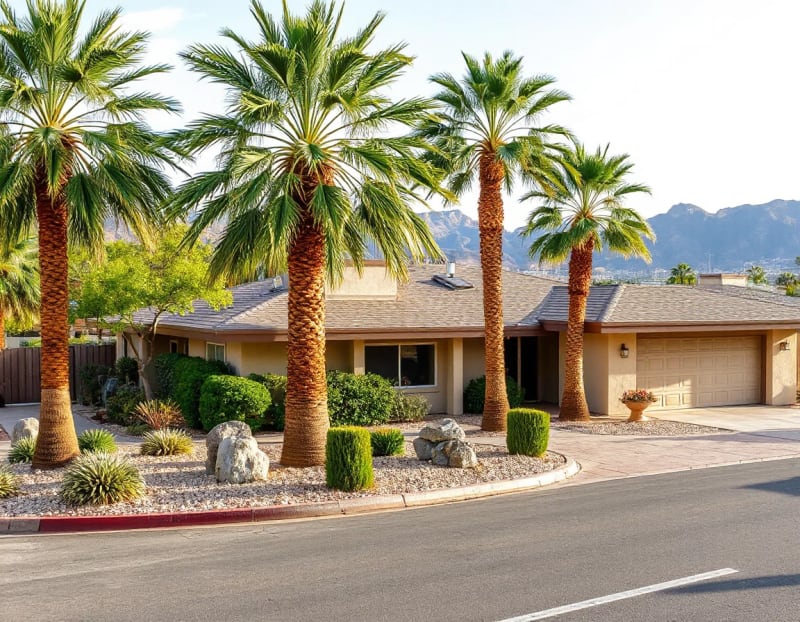
Before the property goes live, gather the most current HOA package available. This commonly includes governing documents, meeting minutes, budgets, financial statements, reserve information, insurance details, rental policies, pet policies, parking rules, and notices of pending or recently approved special assessments. The exact materials required in a California condo sale can vary, so sellers should work with their real estate professional, escrow team, and HOA management company to identify what is needed for the transaction.
It is also worthwhile to look at the community through a buyer’s eyes. Walk the route from the parking area to the front door, note the condition of gates and walkways, and confirm which features are part of the unit versus common-area responsibility. If a patio, storage room, garage, or utility area is included with the residence, make sure its use and ownership are described consistently in the listing materials and association records.
A well-organized HOA document package can answer many buyer questions before they become negotiation points, especially when assessments, insurance, or future maintenance work are part of the conversation.
For buildings with staffed management or more extensive amenities, ask early about showing procedures, move-in and move-out requirements, and approval timelines. Simple logistics matter. Clear instructions for entry, parking, and community access make it easier for prospective buyers and their representatives to experience the property without unnecessary friction.
Price Against Today’s Competition
Palm Springs condos can vary dramatically from one block to the next. Architectural era, land lease versus fee-simple ownership, location within a community, mountain orientation, renovation level, outdoor space, and monthly HOA costs may all influence how buyers compare options. A pricing strategy should account for recently closed sales, active competition, pending properties, and the terms attached to each comparable listing—not simply the highest nearby asking price.
Active listings are especially important because they represent the alternatives buyers can tour right now. A residence with original finishes may compete differently from a fully renovated unit, even when square footage is similar. Likewise, a unit facing a quiet interior greenbelt, pool area, or mountain backdrop can be positioned differently than one near a road, parking area, or service corridor. The goal is to recognize those differences honestly and use them to establish a defensible market position.
Seasonality can add another layer. Palm Springs receives attention from visitors and second-home buyers at different times of year, while local buyers may be monitoring inventory year-round. Rather than trying to predict every market shift, focus on launching with accurate information, polished presentation, and a price that reflects current choices. A listing that begins with momentum often has more flexibility than one that needs repeated corrections after sitting without meaningful interest.
Request a Palm Springs condo valuation
Review the financial side before accepting an offer as well. Estimated seller proceeds should account for mortgage payoff, HOA transfer or document fees, potential repairs, credits, commissions, taxes where applicable, and any outstanding assessment obligations. Seeing the numbers in advance helps you compare offers based on their full terms rather than focusing only on the headline price.
Prepare for Inspections, Disclosures, and Appraisal Questions
Condo buyers often look closely at systems inside the unit because many exterior components are maintained by the association. Address practical items before photography and showings: test smoke and carbon monoxide detectors, replace burned-out bulbs, repair visible leaks, secure loose cabinet hardware, clear HVAC vents, and make sure appliances and fixtures function as expected. Small maintenance tasks can improve the showing experience and reduce distractions during inspection.
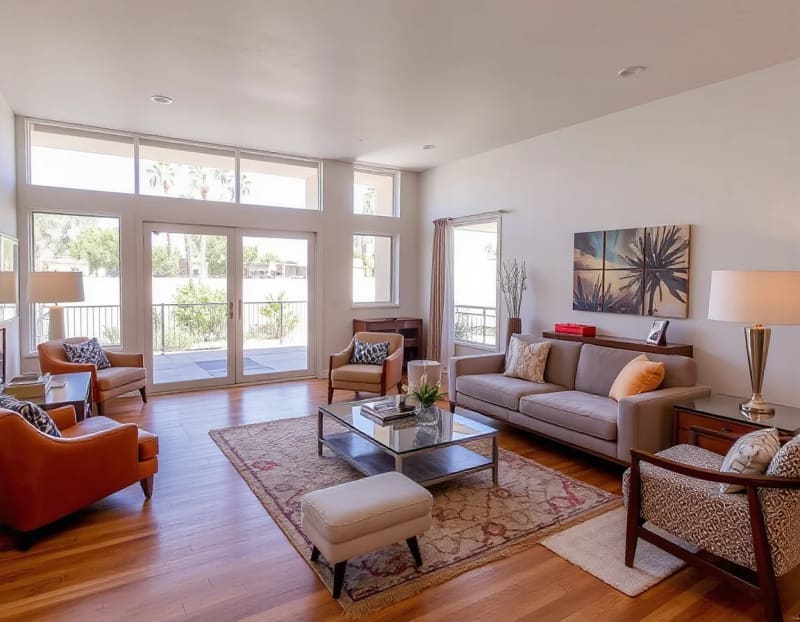
Disclosures deserve the same attention as staging. California sellers are generally expected to provide information about known material facts affecting the property, and condo ownership introduces additional association-related topics. Be prepared to discuss known water intrusion, plumbing or electrical work, permits, past repairs, appliance issues, neighbor-related disputes, special assessments, planned projects, and any other facts that could matter to a buyer. When in doubt, consult the appropriate real estate, legal, or tax professional for guidance specific to your circumstances.
Appraisal preparation is also useful, particularly when the unit has significant improvements. Keep a concise record of renovations, including dates, contractor information if available, permits when applicable, and major materials or equipment installed. An appraiser may not assign dollar-for-dollar value to every upgrade, but clear documentation helps show the care and investment behind the property. If the community has recent comparable sales with meaningful differences, your listing agent can provide context through the appropriate appraisal process.
For condos on leased land, be ready for additional questions about the lease, remaining term, recurring payments, and financing considerations. These properties can offer distinctive ownership opportunities, but buyers and lenders may need extra time to review the details. Transparency at the beginning of the process is usually more productive than trying to resolve core ownership questions after an offer has been accepted.
Make the Listing Feel Intentional
Presentation should highlight the features that make daily use of the condo appealing. In Palm Springs, that may mean opening window coverings to bring in natural light, arranging outdoor seating to show how a patio functions, emphasizing storage, or creating a clean visual connection between the living area and outdoor space. Remove excess furnishings, personal collections, and bulky items that interrupt the sense of scale. The objective is not to erase personality; it is to make the layout easy to read.
Professional photography is particularly valuable in a visual market. Timing matters in desert light, where harsh midday sun can flatten interiors and obscure exterior details. A thoughtful photo plan may include the living room, kitchen, primary suite, outdoor areas, building exterior, pool or shared grounds where permitted, and other amenities that are relevant to ownership. Images and remarks should accurately reflect the unit and association rather than promising features that are unavailable, seasonal, or subject to separate restrictions.
Michael Layton and Marcia Francois of HomeSmart Realty bring an investing perspective alongside traditional client representation, which can be helpful when reviewing condition, market positioning, and buyer feedback. For owners dealing with a property that needs repairs, has a tenant history, or involves foreclosure-related circumstances, early planning is especially important. The right approach depends on the unit, the association, the timeline, and the seller’s goals—not on a one-size-fits-all checklist.
Talk through your Palm Springs condo sale
A Smooth Sale Begins Before the First Showing
The strongest preparation combines accurate association information, realistic pricing, complete disclosures, and a home that photographs and shows well. Buyers do not expect every condo to be newly renovated, but they do value clarity about what they are purchasing and how the community operates. By assembling documents early and responding thoughtfully to questions, sellers can create a more organized experience from listing launch through closing.
Whether your condo is a long-held residence, a seasonal property, or part of an investment portfolio, the best next step is to evaluate its individual strengths and obligations. A deliberate pre-listing review can help identify repairs worth making, documents worth requesting, and timing considerations worth discussing before the property reaches the market.