

Distressed property sales can create real opportunities, but they also demand careful due diligence, clear timelines, and a realistic budget for repairs or closing costs. Whether a property is a short sale, bank-owned home, probate sale, or auction purchase, understanding the process before making an offer can help you move with more confidence in the Palm Springs area.
What “Distressed” Really Means in a Property Sale
In real estate, “distressed” describes the circumstances surrounding a sale rather than the condition of every home involved. A property may be listed because an owner is behind on payments, a lender has taken ownership after foreclosure, an estate is selling a home, or a seller needs lender approval to accept less than the outstanding loan balance. Some homes need extensive work; others are well maintained but come with a more complex transaction path.
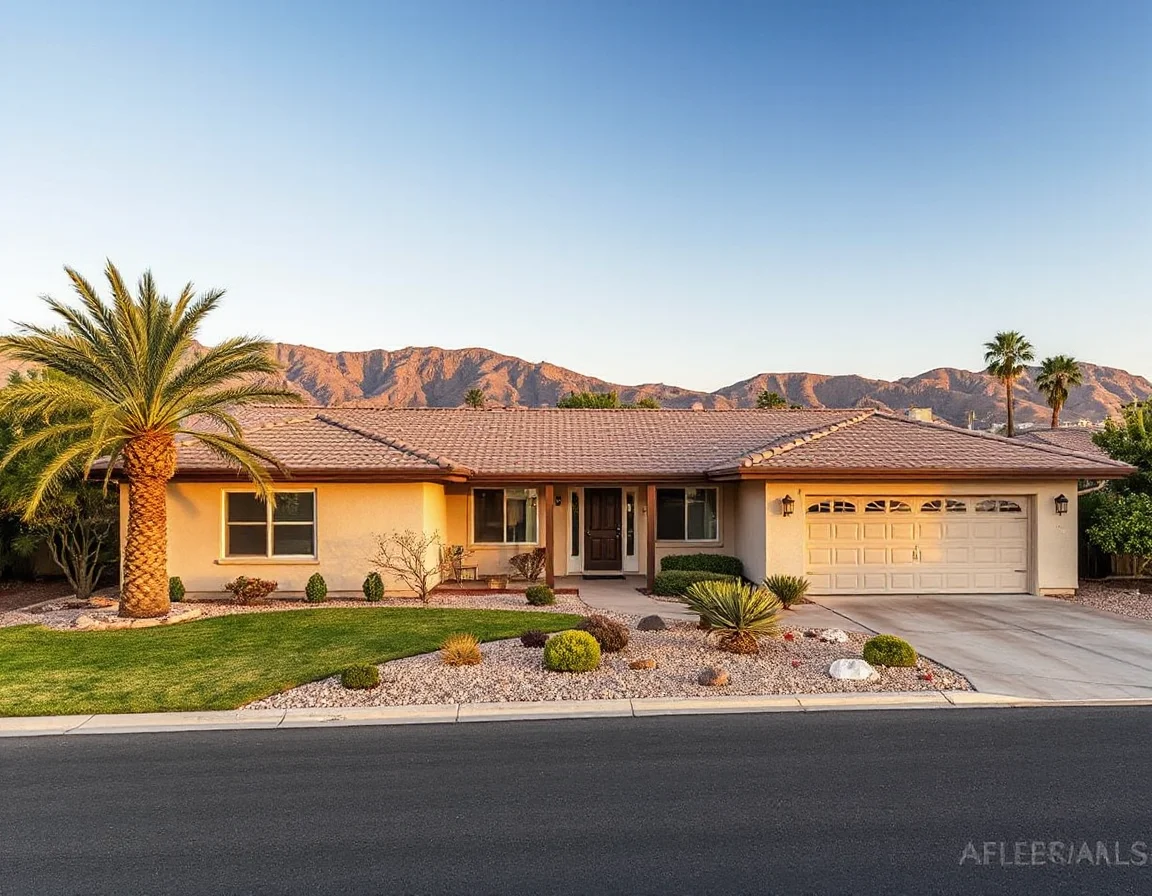
That distinction matters because a lower list price does not automatically mean a simple bargain. The purchase contract, disclosures, inspection options, title history, financing requirements, and condition of the property all deserve close attention. A home that appears attractively priced may need deferred maintenance, updated systems, landscaping work, or specialized review of liens and ownership records.
Across Palm Springs, Cathedral City, Rancho Mirage, Palm Desert, and Desert Hot Springs, distressed-sale inventory can vary considerably from one period to the next. Local pricing is influenced by seasonality, community fees, land ownership arrangements, property condition, and the number of comparable homes currently available. Looking beyond the headline price is essential when comparing one property with another.
Buyers should also remember that distressed does not mean “hidden” or “off-market.” Many bank-owned properties and probate sales are marketed through the multiple listing service, while auctions and trustee sales may follow separate public-notice procedures. The best starting point is understanding which type of sale you are considering and what obligations come with it.
A distressed listing should be evaluated as a complete project: purchase price, repair scope, carrying costs, title review, financing terms, and the time required to close all belong in the same calculation.
Short Sales, REO Homes, and Foreclosure Auctions
Short sales occur when a homeowner seeks lender approval to sell for less than the remaining mortgage balance. The seller accepts an offer, but the lender or lenders must also approve the transaction. This can introduce uncertainty because review periods, requested documents, and final approval conditions vary from file to file. A buyer may need patience and flexibility while still completing inspections and maintaining financing readiness.
REO, or real estate owned, properties are homes a lender has acquired after a foreclosure process. These are often listed through a real estate professional and can resemble a conventional sale in some ways, but the seller is generally an institution. Bank addenda, “as-is” language, repair limitations, and strict response deadlines are common. Buyers should read every document carefully and avoid assuming that a lender will handle repairs in the same way an individual seller might.
Trustee sales and foreclosure auctions can move quickly and may require cash, deposits, or acceptance of substantial risk. Depending on the circumstances, an auction buyer may have limited access to the property before bidding and may be responsible for researching title issues, liens, occupancy matters, and repair needs in advance. This route can be appropriate for buyers with the resources and preparation to manage that risk, but it is not interchangeable with purchasing a listed home through a standard inspection and financing timeline.
There are also estate and probate sales, which may involve court procedures, personal representatives, or confirmation requirements. These homes are not necessarily distressed, yet they can have distinct timing and disclosure considerations. Every sale type has its own rules, which is why transaction-specific guidance is more useful than broad assumptions about “foreclosures.”
Due Diligence Is Where the Value Is Protected
Before writing an offer, begin with the same fundamentals used in any thoughtful home purchase: review comparable sales, confirm monthly ownership costs, examine the property disclosure package, and talk with qualified inspectors and lending professionals. For a distressed property, those steps become even more important. Water intrusion, HVAC performance, roof condition, electrical updates, pool equipment, drainage, and irrigation can all affect the true cost of ownership in the desert climate.

Title review deserves particular attention. A title professional can help identify recorded liens, easements, tax obligations, or other matters that may affect ownership. In some transactions, the seller or lender may address certain items before closing; in others, the buyer may need to decide whether the remaining risk is acceptable. Never rely solely on a listing description when a formal title report and professional advice are available.
Financing should be discussed early as well. A lender can explain whether a property’s condition may affect loan eligibility, appraisal requirements, or the availability of renovation financing. Cash buyers may have more flexibility in some situations, but cash does not eliminate the need for inspections, title research, insurance quotes, or a repair budget. A fast closing is only beneficial when the underlying facts have been reviewed.
It is also wise to budget beyond the purchase price. Include inspection fees, appraisal costs, insurance, homeowner association documents where applicable, utility activation, immediate repairs, and reserves for unexpected work. For homes with pools, leased solar equipment, older mechanical systems, or desert landscaping, request the information needed to understand ongoing maintenance before contingency deadlines expire.
In the Coachella Valley, a detailed inspection can be especially useful for evaluating heat exposure, cooling systems, roof materials, irrigation, and outdoor equipment before you commit to a repair plan.
Making an Offer Without Losing Perspective
A strong offer on a distressed property is not always the highest number. It is an offer that fits the seller’s or lender’s process, clearly addresses financing and contingency terms, and is supported by realistic evidence of value. For a lender-owned home, clean paperwork and adherence to requested deadlines can matter. For a short sale, flexibility may matter more because lender review is part of the equation.
Price comparisons should account for condition. If a nearby renovated home closed at a higher amount, that does not automatically establish the value of a home needing major work. Consider the cost and uncertainty of repairs, the property’s location and lot characteristics, any association obligations, and the likely time needed to complete improvements. A disciplined analysis helps prevent an offer from being driven by urgency or the assumption that every distressed sale is deeply discounted.
For owners facing a difficult financial situation, early information can be just as valuable. A traditional resale, short sale, loan modification discussion, or other path may have different consequences and timelines. Speaking with appropriate legal, tax, lending, and real estate professionals can help clarify available options before deadlines narrow. Sellers should obtain advice suited to their circumstances rather than relying on general online claims.
A Measured Approach Can Create Better Decisions
Distressed property sales are not a shortcut around the normal responsibilities of buying or selling real estate. They are transactions with additional layers: lender procedures, property-condition questions, title considerations, and sometimes compressed decision windows. With a clear plan, however, buyers can identify properties that fit their goals and sellers can better understand the choices available to them.
Michael Layton of RE/MAX Desert Properties brings experience with both client representation and investment-focused property analysis, including foreclosure-related and distressed transactions. The most useful strategy is rarely a rushed one: gather the documents, inspect carefully, compare the numbers, and make decisions based on the complete picture of the property and its sale process.